
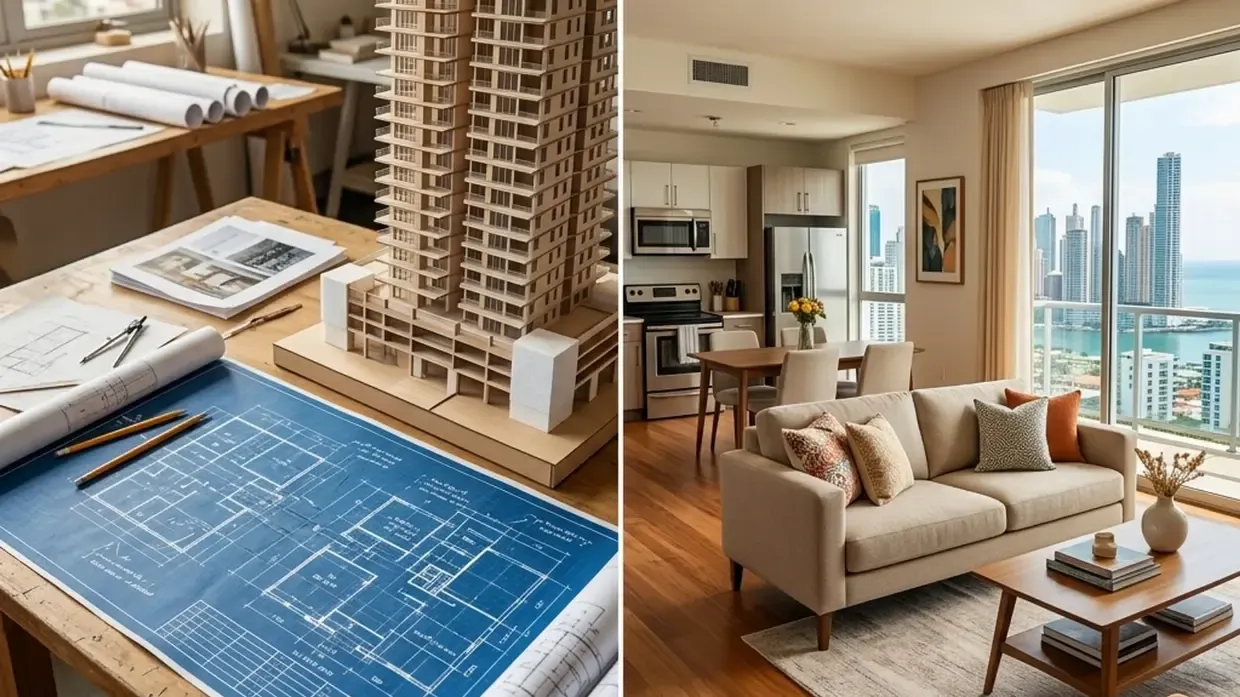
TLDR: Pre-construction vs resale property Panama comes down to timing and risk tolerance. Pre-construction offers a lower entry price and staged payment plans, but no rental income during 18–36 months of construction, with delays of 12–24 months beyond the promised date common. Resale, however, closes in 30–60 days, generates income immediately, and lets you inspect what you are actually buying. New builds in Panama City trade at a 15–30% premium per square meter over comparable resale. The right choice depends on whether your priority is cash flow now, capital appreciation later, or a specific deadline like the QIV October 15, 2026 cutoff.
Panama City has two real estate markets running in parallel. One is finished product: buildings that exist, have known HOA costs, known rental histories, and can close in 30–60 days. The other is promises: floor plans, renders, developer track records, and delivery dates that carry a meaningful probability of moving.
Neither is inherently better; they suit different investors with different priorities. What matters is knowing which situation you are actually in, and what the real risks look like for each option in the pre-construction vs resale property Panama decision.
In short, pre-construction properties in Panama City are priced 15–30% lower per square meter than comparable new-build finished product. They require 18–36 months before you can rent them, though, with construction delays of 12–24 months routinely extending that window. That’s per TheLatinvestor’s 2026 market analysis [1] and Panama Realty Zone’s risk report [2]. Resale units in Panama City average $1,700–$2,100 per square meter, versus $2,300–$2,900 for new construction. Resale offers immediate income, known condition, and negotiation room of 5–12% below asking price; pre-construction, by comparison, offers lower entry cost, staged payment plans, and appreciation upside, with developer risk as the trade-off.
Pre-Construction vs Resale Property Panama: What the Price Data Shows
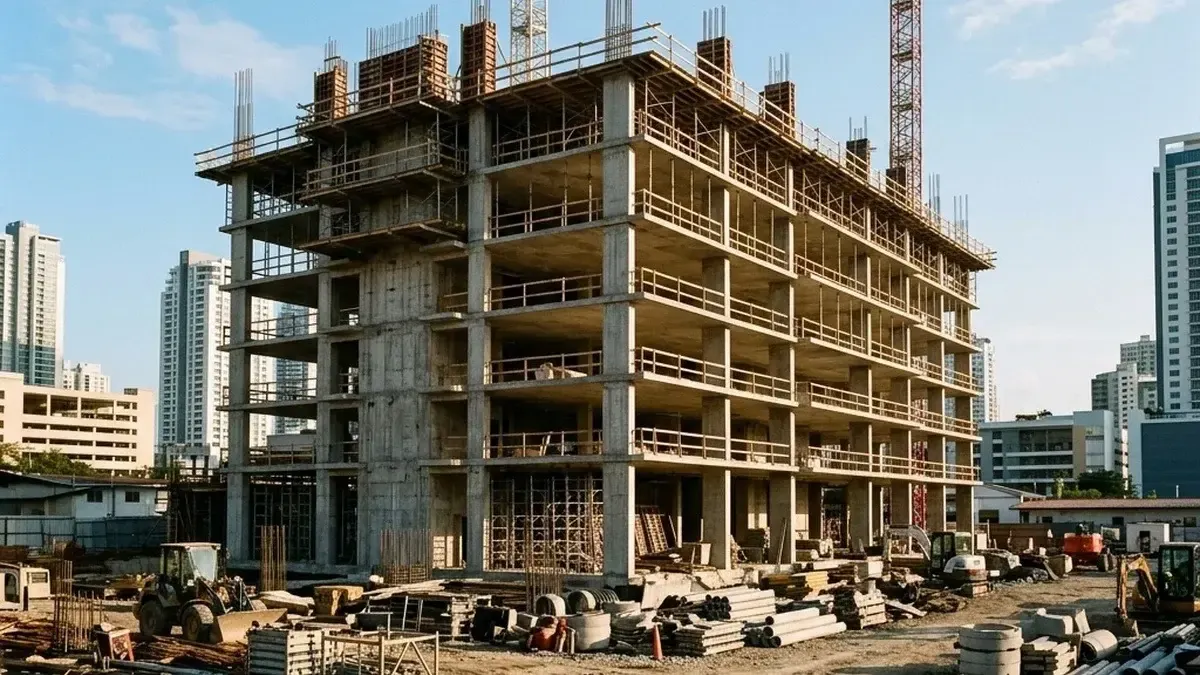
Panama City’s resale and new-build markets do not price the same asset twice; they price different things.
New construction in Panama City averages $2,300–$2,900 per square meter in 2026. That premium reflects modern finishes, new building systems, developer marketing costs, and the bundled amenity packages that lead conversion campaigns. Resale apartments in comparable neighborhoods, in contrast, average $1,700–$2,100 per square meter, per TheLatinvestor’s apartment price analysis [3].
The gap is real. On a 90 sqm apartment, for example, the difference between a new-build at $2,600/sqm ($234,000) and a comparable resale at $1,900/sqm ($171,000) is $63,000 — a number that changes the entire yield calculation.
This gap is also narrowing. With construction materials and labor up 15% year-over-year in 2025, resale units in well-maintained buildings increasingly trade below what it would cost to rebuild the same unit, per Panama Home Realty’s 2026 market report. As a result, certain resale opportunities are genuinely attractive on a price-per-square-meter basis, independent of the yield comparison.
Pre-Construction: The Case and the Risks
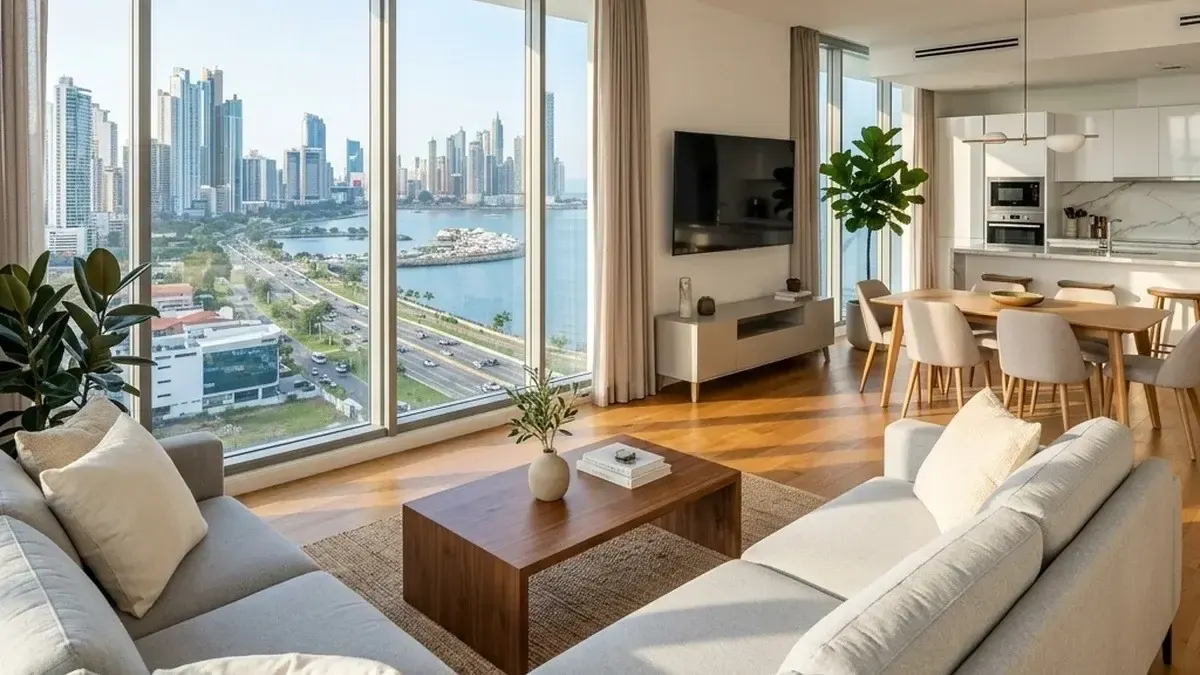
What Pre-Construction Actually Offers
The appeal of pre-construction is clear when the numbers work. You lock today’s price on a unit that will deliver in 18–36 months, often with a staged payment plan. That plan typically runs 10–33% at signing, milestone payments during construction, balance at delivery. That structure reduces the immediate cash requirement compared to an all-cash resale purchase.
If Panama City prices appreciate 3–5% annually during construction, the investor who bought at pre-construction pricing has captured that gain on a lower capital base. Panama Equity and other pre-construction specialists note that several well-timed pre-construction purchases from established developers have generated 15–25% price appreciation between contract and delivery.
Payment plan structures also give some investors access to assets they could not reach with the required down payment on a bank mortgage. On a $200,000 pre-construction unit, for example, a 10% deposit at signing is $20,000, while a 30% down payment on a comparable resale at the same price requires $60,000 upfront.
What Can Go Wrong
Delays of 12–24 months beyond the promised delivery date are common in Panama, not exceptional, per Limitless Legal’s pre-construction risk guide [4]. During that entire window, you earn no rental income on the capital you have already deployed.
Panama’s pre-construction contracts typically favor the developer on delays. Penalties for late delivery are minimal or nonexistent in most standard contracts. If a developer runs into financial trouble or faces permit delays, the buyer’s primary recourse is legal action — a slow and expensive path, per Lawzana’s analysis of construction delays in Panama [5].
Construction quality varies widely, too. The finished unit is frequently around 60% of what the render promised, per Panama Realty Zone’s pre-construction analysis [6]. Some developers deliver excellent long-term builds; others cut corners on finishes, electrical, and soundproofing. You cannot inspect what does not yet exist.
Developer Vetting: What Actually Matters
In summary, before any pre-construction deposit, confirm:
- Completed projects you can visit. Walk a building the developer finished three or more years ago. Talk to residents about build quality, elevator reliability, and HOA management. Verbal track record claims are not evidence.
- Financial structure. Who is funding construction — the developer’s capital, a bank construction loan, or buyer deposits? Buyer-funded construction carries higher risk if sales slow.
- Contract delivery penalty clauses. Have your attorney identify exactly what compensation you receive for delays. If the answer is nothing, that is the risk you are taking.
- Public Registry status. Confirm the land title is clean and unencumbered before any deposit leaves your account.
Panama Sovereign Realty, for example, publishes a candid post on why they decline most pre-construction projects they are asked to represent — worth reading before any pre-construction commitment, per their vetting criteria.
Resale: The Case and What Most Buyers Overlook
The Resale Advantage
Resale property closes in 30–60 days. You inspect the actual unit before you sign, and you know the HOA fee because you can ask for 12 months of statements. You know the building’s maintenance history, the elevator situation, the water pressure — what you see is what you are buying.
Rental income starts the month after closing. For investors whose financial model depends on cash flow, not appreciation, resale removes 18–36 months of dead capital time.
Negotiation room exists in Panama’s resale market, too. The average resale condo sells at 92–95% of asking price; in oversupplied corridors like Punta Pacifica and Punta Paitilla, discounts of 10–12% below asking are common, per TheLatinvestor’s market analysis [1]. A motivated seller — an absentee owner tired of managing remotely, an estate sale, a forced sale — can produce meaningful below-market acquisition prices. Pre-construction does not offer this.
What Resale Buyers Underweight
Older buildings have aging infrastructure. An attractive price per square meter can mask a building that needs $30,000 in HVAC replacement, an elevator modernization, or a plumbing overhaul in the next three years. Request the HOA reserve fund status before any offer, since a building with a fully funded reserve is worth more than one running a structural deficit.
In addition, some resale buildings carry a sitting tenant. A tenant in place can reduce the purchase price by 5–10% for buyers who want to set their own rental arrangement, but it can also be an asset: an existing tenant on a current lease provides immediate verified income. Know which situation you are walking into.
Pre-Construction vs Resale Property Panama: How to Choose Based on Your Situation
| Your priority | Better fit | Reason |
|---|---|---|
| Income now | Resale | Rental starts month 1 |
| Lower entry price | Pre-construction | $500–$1,000/sqm discount vs new-build |
| Appreciation play | Pre-construction (strong developer) | Price appreciation captured during build |
| QIV before Oct 15, 2026 | Resale | Closes in 30–60 days; certain timeline |
| Limited upfront cash | Pre-construction payment plan | 10–33% at signing vs 30–40% bank down |
| Risk-averse | Resale | Inspect before you buy |
| Maximum yield on existing capital | Resale in El Cangrejo or San Francisco | Day-one income at 7.9–8.9% gross |
One critical note on QIV and pre-construction: Pre-construction has been made eligible for QIV qualification under recent regulatory changes, per Global Citizen Solutions’ QIV guide [7]. However, the October 15, 2026 deadline is unforgiving. A pre-construction contract locks your price today, but delivery timelines are not guarantees. Investors using real estate to qualify for the QIV before the deadline should confirm with their attorney that their specific pre-construction contract structure and delivery date satisfy the documentation requirements for a timely application. For certainty on the deadline, resale is the lower-risk path.
Frequently Asked Questions
Is pre-construction cheaper than resale in Panama City?
Pre-construction is typically cheaper than comparable new-build finished product, but not necessarily cheaper than resale. New construction in Panama City averages $2,300–$2,900 per square meter versus $1,700–$2,100 for resale, per TheLatinvestor’s apartment price data [3]. Pre-construction lets you buy a future new-build unit at a discount to its eventual finished price; however, the finished price will likely still exceed comparable resale. The comparison depends on the specific project, neighborhood, and delivery timeline.
What are the biggest risks of buying pre-construction in Panama?
Two risks matter most: construction delays (12–24 months beyond promised delivery is common) and developer financial trouble (buyer-funded construction is riskier than bank-funded). A third is the quality gap between renders and finished product, frequently around 60% of what was presented, per Panama Realty Zone [6]. Panama’s pre-construction contracts offer minimal buyer protection for delays. Vetting the developer by visiting completed projects and reviewing the contract delivery penalty clauses with an attorney is essential before any deposit.
Can I earn rental income while waiting for pre-construction to complete?
No — pre-construction properties generate no rental income during the construction period, which typically runs 18–36 months, plus potential delays. Investors who need their capital working from day one should buy resale instead. Investors comfortable with a 2–3 year income-free window in exchange for a lower acquisition price and potential appreciation upside, on the other hand, may find the pre-construction math works for their situation.
How long does a resale purchase take to close in Panama?
A standard resale purchase in Panama closes in 30–60 days from accepted offer to title registration, per Coastal Panama Properties’ buyer guide. Title review, ICON’s Registro Público pull, and notarized deed preparation drive most of that timeline. Investors using the purchase to qualify for the QIV before October 15, 2026, therefore, should allow 90 days from start to application submission (August 2026 close-by date), which makes resale the realistic option for hitting that deadline.
Pre-construction vs resale property Panama: how much negotiation room exists on resale?
Resale condos in Panama City typically sell at 92–95% of asking price, meaning 5–8% below list is a reasonable expectation in a normal negotiation, per TheLatinvestor’s market analysis [1]. In oversupplied corridors like Punta Pacifica and Punta Paitilla, discounts of 10–12% are achievable. In high-demand liquid neighborhoods like San Francisco and El Cangrejo, expect less room instead — well-priced units in those areas attract multiple qualified buyers and rarely sit long enough for a significant discount.
Take the Next Step
Pre-construction and resale are not competing products. They are different investment structures with different risk profiles, income timelines, and capital requirements. The right choice depends on your cash flow needs, risk tolerance, budget, and whether a deadline like the QIV October 2026 threshold is in play.
ICON works across both markets. We vet developers before bringing any pre-construction project to clients, and we pull the Registro Público certificate on every resale before an offer goes in. We model the full cost of each option — purchase price, HOA, income timeline, net yield — so you can compare them on the same basis.
Schedule a free consultation with an ICON advisor to review current pre-construction and resale inventory for your budget and timeline.
Schedule a Free Consultation with an ICON Advisor →
Sources
- TheLatinvestor — Panama real estate market 2026
- Panama Realty Zone — 2026 risk report
- TheLatinvestor — Panama City apartment prices
- Limitless Legal — pre-construction risks in Panama
- Lawzana — construction delays and defects in Panama
- Panama Realty Zone — pre-construction hype analysis
- Global Citizen Solutions — Panama Qualified Investor Visa guide
 Estamos para ayudarte!