
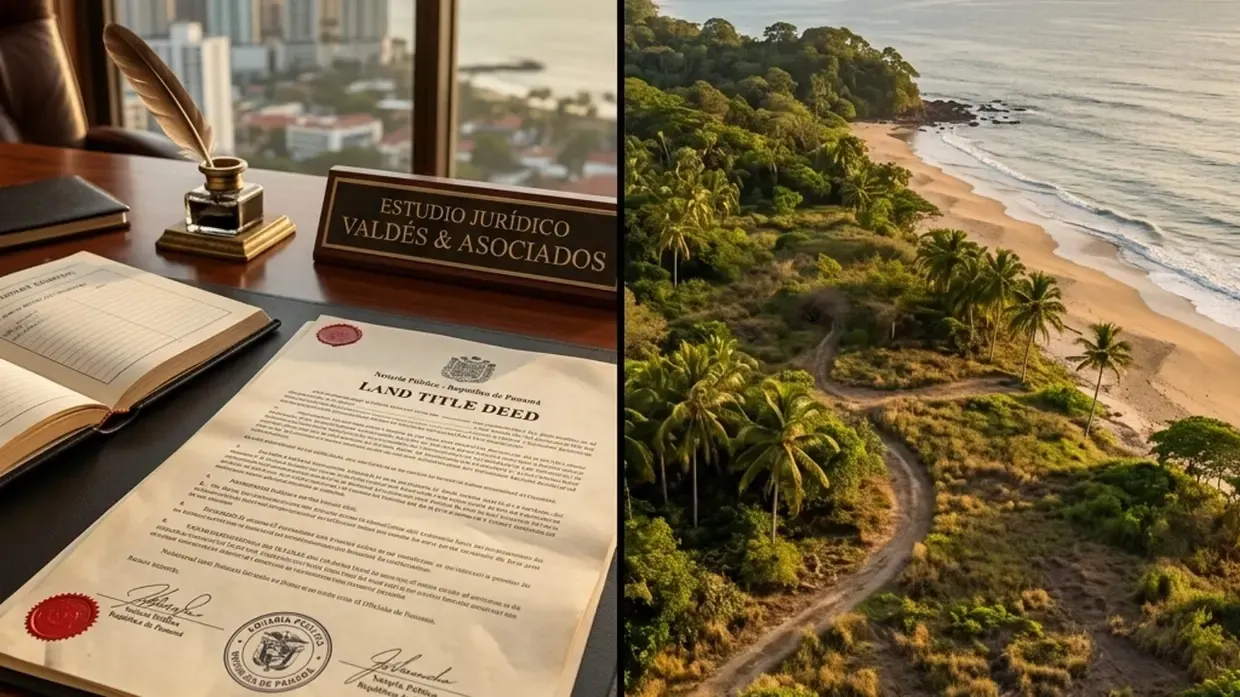
TLDR: Title deed vs right of possession Panama comes down to one distinction: the escritura pública (registered title deed) is recorded in the Public Registry, can be mortgaged, and offers full legal protection. The Derecho Posesorio (right of possession) is a claim based on occupancy, not ownership, and it cannot be used as bank collateral, carries real government titling risk, and is significantly harder to resell to financed buyers. Verify title status before any offer — it takes a single Registro Público search and less than a business day.
Panama has a property ownership problem that nobody puts in the brochure. The country offers two types of claim over land, and they look similar in casual conversation — “I own it,” “I have the right to it” — but they operate under completely different legal frameworks. Buy the wrong one, and you own something that cannot be mortgaged, may be contested in a formal titling process, and may not transfer cleanly when you want to sell.
In fact, this is not a rare edge case. Coastal properties, rural land, island parcels, and some tourism developments sit on right-of-possession land. Foreign investors, understandably focused on yield and location, sometimes skip the title verification step. As a result, their attorneys find the problem later — sometimes at renewal, when financing falls through, and sometimes at resale, when a buyer’s bank refuses to lend against the asset.
In short, title deed vs right of possession Panama is a question with real financial stakes. Panama’s title deed (escritura pública) is registered in the Public Registry and grants full legal ownership. The right of possession (Derecho Posesorio), however, is a separate instrument based on established land use — not a registered title, not eligible for bank financing, and not protected against government titling processes that can affect the occupant’s claim. For any investment purchase, only a registered title deed provides the security foreign buyers need. Your attorney confirms title status in under a business day using the Registro Público de Panamá [1].
Title Deed vs Right of Possession Panama: What Actually Separates Them
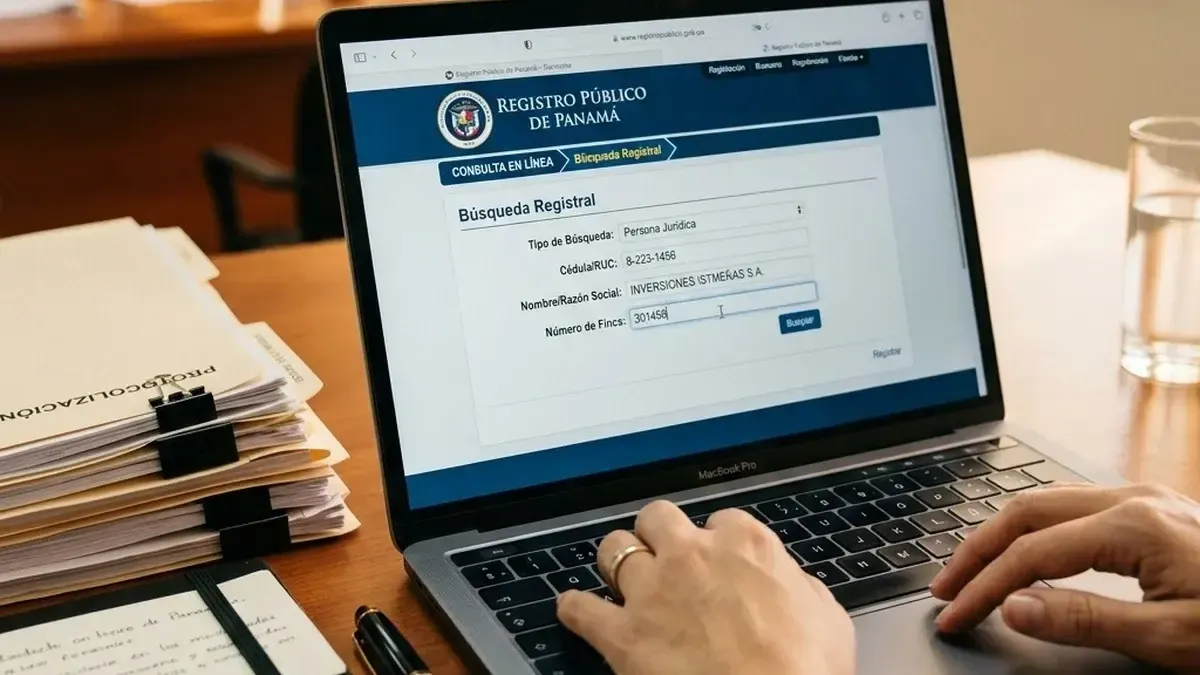
Panama’s formal property system dates to Spanish colonial land records, and not all land went through the titling process. In areas that were historically rural, coastal, or outside city grids, land was occupied and farmed for generations without formal registration. The occupant’s claim was recognized by law as a right of possession — a valid legal instrument, but a fundamentally different one from a registered title.
The Title Deed: Escritura Pública
A registered title deed is a document executed by a notary and recorded in Panama’s Public Registry (Registro Público de Panamá). Registration creates a public record that is searchable by anyone. In fact, it includes the current owner’s name, the parcel dimensions and location, any registered liens or mortgages, and the complete chain of ownership going back through every prior transfer.
What does registration mean in practice? It means:
– The state recognizes your ownership as a legal fact
– Banks can lend against it (property is acceptable collateral)
– The title can be transferred, mortgaged, inherited, or used as security for a loan without any additional government process
– If someone claims the property is theirs, your registered title is the primary evidence in court
Foreign nationals can hold a registered title with the same legal standing as Panamanian citizens, per Panama’s Law 54 of 1998 and Law 8 of 1994 [2]. No local partner is required, and no government approval is needed for the purchase.
The Right of Possession: Derecho Posesorio
Right of possession is a recognized claim based on continuous, public, uncontested occupation of land. The occupant has established use of the land over time, but the state has never issued a registered deed — nothing exists in the Public Registry, no parcel number, no ownership chain.
This is not illegal; Panama’s legal system formally recognizes right of possession. What it lacks, however, is the institutional infrastructure that makes a registered title secure for an outside buyer:
No registered title means no bank collateral. Panamanian banks will not finance the purchase of right-of-possession land for buyers seeking a mortgage. If you want to purchase with financing, you need a titled property; if you are buying all-cash and plan to refinance later, you cannot, because the asset does not qualify.
No registered title also means no clear outcome in a government titling process. Panama periodically formalizes land that was previously held under right of possession — a process where the government surveys the area and issues registered titles. For existing occupants, the outcome is usually positive, but it is not guaranteed. Disputes over boundary lines, competing claims from neighboring parcels, and the timing of the process introduce risk that a foreign buyer holding right of possession cannot fully control.
Finally, no registered title also makes the asset harder to sell. Most buyers using financing cannot purchase it, and most institutional investors and rental programs require titled property. Your resale pool shrinks to all-cash buyers comfortable with the instrument — a smaller market at a lower price point.
Concession Land: The Third Category
There is a third category worth knowing about: concession land. This is land the government has leased to an operator, typically for tourism development. The concession holder has the right to use and develop the land for a defined period, but does not own it outright. Concessions are common on coastlines, islands, and inside national parks.
Concession properties can be marketed as real estate investments, but they are not the same as titled properties. The concession term, renewal conditions, and the government’s rights during and after the term introduce risks that a simple title deed purchase does not carry. If you are looking at a beach resort development or an island property and the listing does not mention a registered title, therefore, ask specifically whether the land is under concession.
How to Verify Title Before You Make an Offer
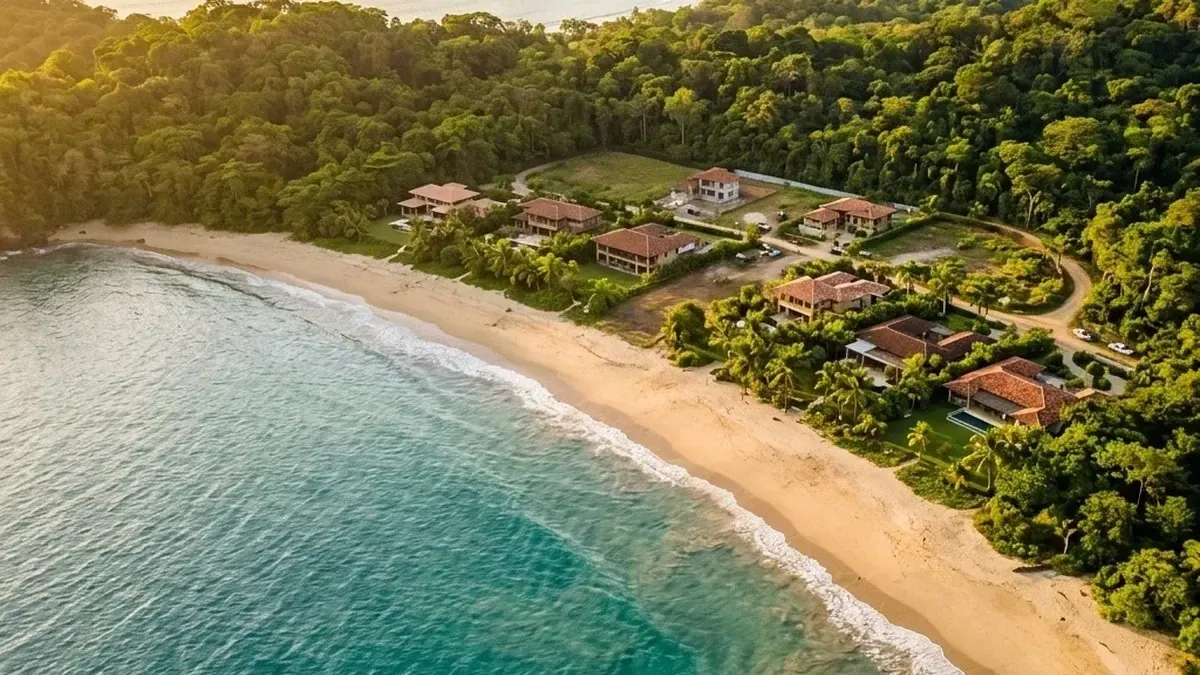
Title verification in Panama is fast, inexpensive, and definitive — there is no reason to skip it.
Your attorney requests the Registro Público certificate (certificación de la finca) for the property. The certificate shows:
– Current registered owner
– Registered liens and mortgages
– Exact parcel dimensions and folio number
– Full ownership chain
A clean certificate confirms: the seller is who they say they are, the property has a registered title, and no undisclosed encumbrances exist. In addition, the search takes less than a business day through the Public Registry’s online system, and the cost is minimal.
ICON pulls this certificate before any offer goes in, so you see the title status before any money changes hands. If the property carries a right of possession rather than a registered title, that surfaces immediately — not during due diligence after you have already paid a deposit.
Red Flags to Watch for in Listings
Right of possession properties are sometimes marketed with language that, however, softens the distinction. Watch for:
– “Titled property coming soon” — means it is not titled yet
– “In the process of titling” — means the titling process is active but incomplete; you do not know the outcome
– “Traditional land rights” — often a description of right of possession
– Any coastal or island listing that does not explicitly cite a registered folio number
Asking “is this a registered title?” is not a rude question — in summary, it is the first question.
Urban vs Rural: Where the Distinction Matters Most
For urban residential properties in Panama City — high-rise apartments, established condominiums, commercial towers — you are almost never looking at a right-of-possession property, since the Panama City metro was formally mapped and titled through its development. Your risk in an urban purchase is different: it is about clean title (no liens, no disputed chains of ownership), not about whether a title exists at all.
The title deed vs right of possession Panama question becomes critical for:
– Coastal land anywhere in Panama
– Island properties, particularly in the Bocas del Toro archipelago and Pearl Islands
– Rural land outside the metro grid
– Newer tourism developments in areas that were not formally mapped before development began
If you are buying in Panama City, verify clean title. If you are buying outside it, verify that a registered title exists at all before anything else.
What Happens When Right-of-Possession Land Gets Formally Titled
Panama’s titling programs — known as regularización — convert right-of-possession land into registered titles by formally surveying and mapping it. For occupants who have held undisturbed possession for years, the outcome is typically a registered title in their name.
Why is this relevant to a buyer? Because if you purchase right-of-possession land and a regularización process begins during your ownership, several things become uncertain.
Boundary disputes, for example, can surface: neighboring parcels, roads, and public land may overlap with what you believed you owned, and resolution takes time and legal cost.
Competing claims can also emerge. Another party may have a partial claim based on prior occupation or a different interpretation of the parcel’s boundaries; right-of-possession disputes go to court, while registered title disputes have a clearer legal framework.
The outcome, in the end, affects value. A regularización process that resolves cleanly in your favor produces a titled property worth more than what you paid; one that surfaces unresolved disputes produces the opposite.
None of this makes right-of-possession land uninvestable in every case. It makes it a different risk profile — one that requires a specialized attorney, a longer due diligence window, and a higher tolerance for uncertainty than a standard titled purchase. For most foreign investors seeking predictable returns and clean resale, therefore, the risk is not worth the discount.
Frequently Asked Questions
Title Deed vs Right of Possession Panama: What Is the Legal Difference?
A title deed (escritura pública) is registered in the Registro Público de Panamá [1] and grants full legal ownership. It can be mortgaged, sold to financed buyers, and transferred cleanly through inheritance. Right of possession (Derecho Posesorio), by contrast, is a claim based on continuous land use — legally recognized but not registered, unable to serve as bank collateral, and carrying risk from government titling processes that may affect the holder’s claim.
Can foreigners buy right-of-possession land in Panama?
Legally, yes — Panama does not restrict right-of-possession purchases by foreign nationals. The question is whether it makes sense to do so. Right-of-possession property cannot be mortgaged, reduces your resale pool to all-cash buyers, and carries titling uncertainty that does not exist with registered property. As a result, most attorneys advising foreign investment buyers recommend titled property only, unless the buyer has specific legal counsel experienced in right-of-possession transactions and a strategy for the titling outcome.
How do I verify that a property in Panama has a registered title?
Ask your attorney to pull the Registro Público certificate (certificación de la finca) before any offer. The certificate lists the current owner, registered liens, parcel dimensions, and folio number. If no folio number exists, the property is not registered. The search costs very little and takes less than a business day through the Registro Público de Panamá’s [1] online system.
Are beachfront and island properties in Panama typically titled?
Often no. Coastal and island properties are among the most common right-of-possession situations in Panama, alongside rural land outside the metro grid. The law restricts foreign ownership of agricultural land within two nautical miles of the Pacific or Caribbean coastline, but residential and tourism use is not restricted. The issue, instead, is whether the specific parcel has a registered title or sits under a right of possession or concession structure. Always verify title status before any offer on a coastal or island property.
What is a concession property in Panama, and is it different from titled ownership?
Concession land is land leased from the government, typically for tourism development on coastlines or inside national parks. The concession holder has the right to develop and use the land for a defined period but does not own it outright. This is different from both titled ownership and right of possession. Concession properties can be marketed as real estate investments; however, the concession term, renewal conditions, and the government’s residual rights introduce risks that titled ownership does not carry. If a listing does not cite a registered folio number, ask directly whether the land is under government concession before proceeding.
Take the Next Step
Title deed vs right of possession Panama, in the end, is the difference between an asset you fully own and one you hold under terms the government can affect. For most foreign investors, the correct answer is straightforward: only buy registered title deed property, verify through the Registro Público before any offer, and confirm the title search is part of every due diligence package.
ICON pulls the Registro Público certificate before any offer goes in, so you see the title status before any deposit changes hands.
Download our free 2026 Panama Investor Guide for the full due diligence checklist, including what to verify before signing a purchase promise agreement.
Download the 2026 Panama Investor Guide →
Sources
- Registro Público de Panamá — official title verification system
- Invest in Panama — Law 54 of 1998 and Law 8 of 1994, foreign investor property rights
 Estamos para ayudarte!