
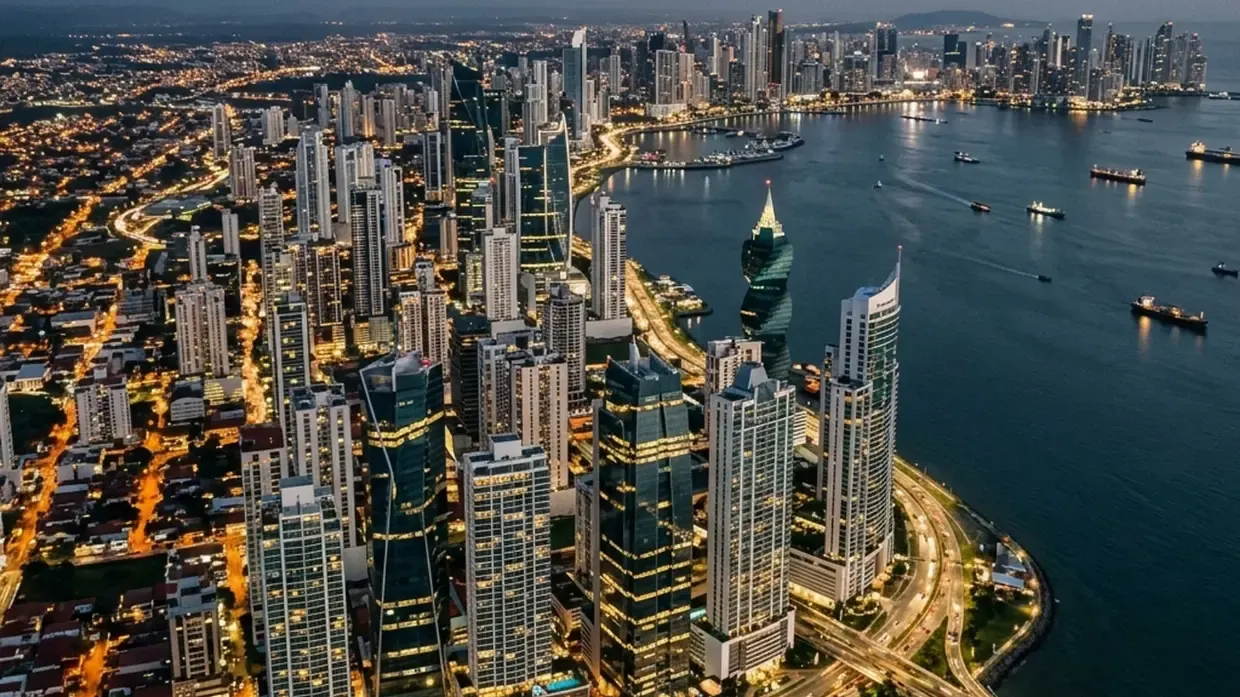
TLDR: This Panama real estate market report 2026 shows property prices sitting at approximately $1,850/sqm median, with resale units at $1,700–$2,100/sqm and new builds at $2,300–$2,900/sqm. Residential inventory is at a 9-year low. Gross rental yields average approximately 7.7% citywide, with El Cangrejo running 8–10% and Costa del Este at 5–7%. Rents increased 8–15% over the past 12 months in high-demand neighborhoods. Foreign buyers now represent 25–40% of Panama City apartment purchases. The World Bank projects 3.8% GDP growth in 2026. In short, the data is directional: supply is tightening, rents are rising, and foreign demand is accelerating.
The Panama real estate conversation tends to run on impressions — “prices are rising,” “it’s a good time,” “demand is strong” — without the specific numbers that let an investor decide whether any of that is true for their target property type, budget, and neighborhood.
This Panama real estate market report 2026 is the specific numbers: prices per square meter, inventory levels, yield data by segment, vacancy rates, foreign buyer share, and the macro indicators that drive all of it. Sources are cited inline, and the data covers early 2026.
In summary, Panama City’s residential market in 2026 is characterized by low inventory, rising rents, and sustained foreign buyer demand, against a macro backdrop of 3.8% GDP growth (World Bank) and a recovering tourism sector. Median price per square meter sits at approximately $1,850, and gross rental yields average 7.7% citywide. Inventory has not been this tight in nine years. These three conditions — supply contraction, rent growth, and yield above Latin American averages — are the data behind the increased foreign investor interest, per TheLatinvestor’s 2026 Panama City market analysis [1] and Panama Home Realty’s 2026 market report.
Panama Real Estate Market Report 2026: Where Prices Stand
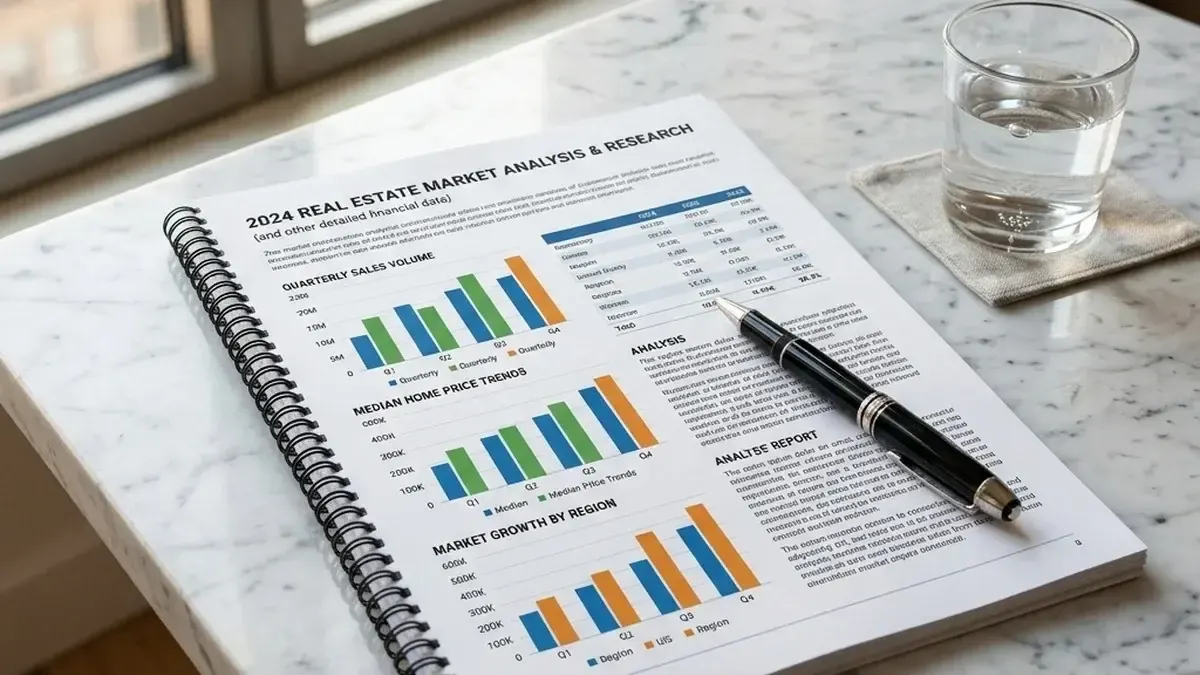
Panama City’s property market spans a wide price range depending on building age, location, and whether the purchase is resale or new construction.
The headline number: the median housing price per square meter in Panama City is approximately $1,850/sqm in early 2026, per TheLatinvestor’s apartment price analysis [2]. That average, however, masks a two-tier market.
| Segment | Price per sqm (2026) |
|---|---|
| Resale apartments — comparable mid-market | $1,700–$2,100 |
| New-build / pre-construction | $2,300–$2,900 |
| Citywide median | ~$1,850 |
Sources: TheLatinvestor [2], Global Property Guide [3].
The gap between resale and new-build reflects what buyers in each category are paying for. New construction carries modern finishes, current building systems, and developer amenity packages. Resale at $1,700–$2,100/sqm, in contrast, increasingly trades below the cost of replacing the same unit; with construction costs up 15% year-on-year in 2025, certain resale buildings represent genuine below-replacement-cost acquisition opportunities, per Panama Home Realty.
By neighborhood, the picture is more specific. Costa del Este, San Francisco, and El Cangrejo show the strongest price appreciation in 2026: Costa del Este leading at 5–6% annual price growth, San Francisco at 4–5%, El Cangrejo at approximately 4%. Punta Pacifica and Punta Paitilla — the two most marketed neighborhoods to first-time foreign buyers — are flat to slightly down in real terms. Generic condos in oversupplied corridors, meanwhile, are forecast at 0–1% nominal appreciation, per TheLatinvestor’s price forecasts [4].
Resale units in Panama City typically close at approximately 7% below asking price. In oversupplied segments, discounts of 10–12% below list are achievable. Waterfront units in Punta Pacifica, however, close within 3–5% of list, since demand there is concentrated on a small subset of well-located buildings. Negotiation room varies significantly by neighborhood and building, per TheLatinvestor’s Panama City market analysis [1].
Inventory: What a 9-Year Low Means for Buyers
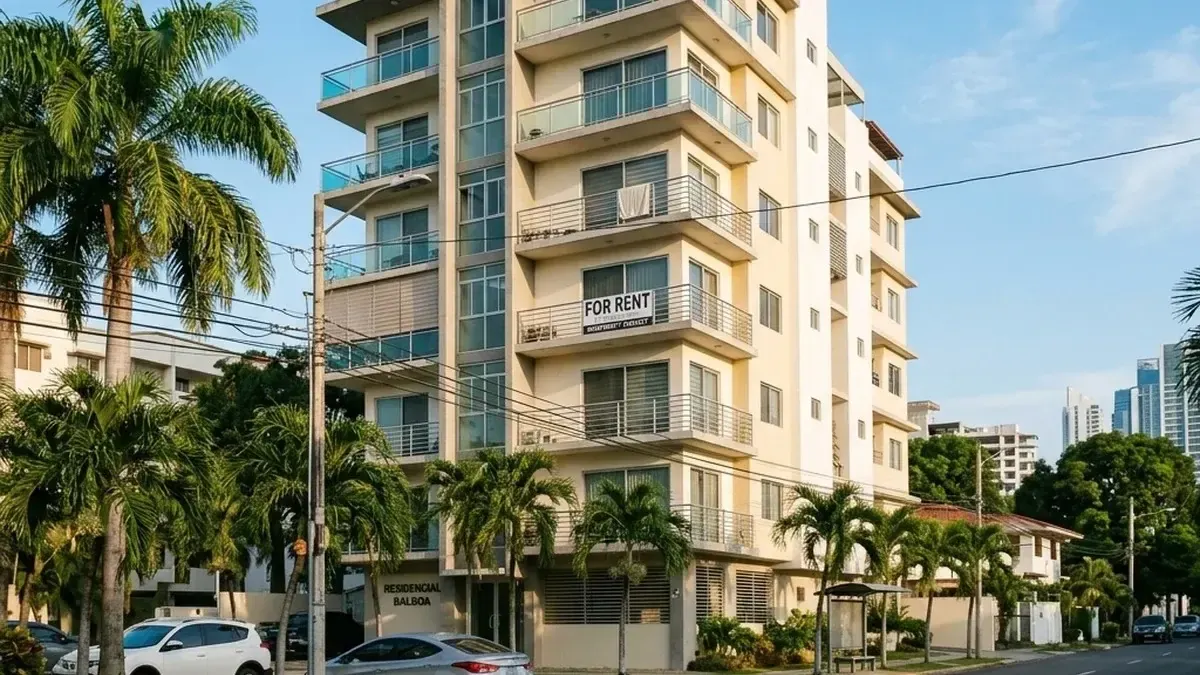
Panama City residential inventory is at its lowest point in nine years, per Panama Home Realty’s 2026 market report. That figure matters because inventory is what controls the relationship between buyers and sellers.
The low is not uniform across the city. The supply tightness is sharpest in the 1–2 bedroom segment in San Francisco, El Cangrejo, and Costa del Este — the units that liquid investors and the expat rental market both want. These are the same units where 14-day average re-rental times and 94% occupancy rates show up in yield analyses, since demand in that segment outpaces new supply entering the market.
The opposite pattern holds in the oversupply segments. Punta Pacifica and Bella Vista show visibly vacant units — high-floor condos where pricing outran what local Panamanian buyers can absorb, and where the investor yield numbers do not support what sellers are asking, per Panama Realty Zone’s 2026 price trend analysis [5]. That inventory, therefore, sits.
New construction represents approximately 30–40% of Panama City’s listed residential inventory. Pre-construction inventory has been declining as QIV-deadline-motivated buyers close on available units ahead of October 2026, a trend that is further tightening the supply of available finished product.
What this means for investors: the supply constraint is concentrated in the neighborhoods and unit types where demand is strongest. The nine-year inventory low reflects market health in specific segments, not across the entire city.
The Rental Market in Numbers
Panama City’s gross rental yield averaged approximately 7.7% across the city in early 2026, per TheLatinvestor’s rental yield data [6]. The spread by neighborhood is wide.
| Neighborhood | Gross yield | Vacancy rate | Avg vacancy per year |
|---|---|---|---|
| El Cangrejo | 8–10% | 4–6% | 2–3 weeks |
| San Francisco | ~7.9% | 4–6% | 2–3 weeks |
| Costa del Este | 5–7% | 2–4% | 1–2 weeks |
| Marbella | 6–8% | ~7% | ~3.6 weeks |
| Punta Pacifica | 4–6% | 10–15% | 5–8 weeks |
| Punta Paitilla | 3–5% | 10–15%+ | 6–8 weeks |
Sources: TheLatinvestor [7], Panama Home Realty investment calculator, Panama Elite Homes.
Rents increased 8–15% year-on-year in high-demand neighborhoods over the past 12 months, per Panama Home Realty. Costa del Este saw 15% YoY rent growth on two-bedroom corporate units, while El Cangrejo ran 8–10%. The overall citywide rent growth projection for 2026 is a more modest 2–5% as the base normalizes; however, the trailing realized figure reflects genuine demand pressure in the liquid neighborhoods.
The mid-market vacancy rate — the 1–2 bedroom segment in San Francisco, El Cangrejo, and Costa del Este — sits at 4–7%. Luxury towers in oversupplied segments, in contrast, run 10–15%. These two numbers represent different markets: an investor in El Cangrejo is operating in a 94% occupancy environment, while an investor in a premium Punta Pacifica tower faces conditions where vacancy costs alone reduce net yield by 2–3 percentage points.
Who Is Buying Panama Real Estate in 2026
Foreign buyers now represent 25–40% of Panama City apartment purchases, per KeyCrew’s 2026 market report [8]. The mix has shifted over the past 18 months.
US and Canadian buyers remain the largest foreign segment, primarily motivated by the Qualified Investor Visa — residency through a $300,000 property purchase — and the dollarized economy that removes currency risk from the investment. US investor inquiries in Q1 2026 increased 12% year-on-year, per TheLatinvestor. The QIV threshold rises from $300,000 to $500,000 on October 15, 2026, and, as a result, that deadline has accelerated a cohort of motivated buyers into the market ahead of schedule.
European buyers — German, French, Italian — have grown as a share of the market, specifically motivated by Panama’s territorial tax system. Foreign-source income is entirely exempt from Panamanian income tax regardless of residency status. For a European investor managing income from outside Panama, in other words, that combination of legal ownership rights, no foreign-income tax, and a dollarized economy is the draw.
The foreign buyer profile tilts toward ocean-view condos, new developments, and buildings with established rental management programs. That concentration, therefore, supports price stability in premium segments that would otherwise struggle with local demand.
Panama Real Estate Market Report 2026: Where the Market Is Heading
The macro picture supports the investment thesis. The World Bank projects Panama’s GDP growth at 3.8% in 2026 and 4.3% in 2027, per Esales International’s Panama property market outlook [9]. Tourism arrivals grew more than 8% in the first half of 2025 versus the prior year, maintaining demand for both short-term and long-term rentals. Panama’s dollarized economy, in addition, eliminates the currency devaluation risk that erodes real returns in several competing Latin American markets.
Price forecasts for 2026–2027 are neighborhood-dependent. Well-located properties in San Francisco, El Cangrejo, and Costa del Este are projected at 1–5% nominal appreciation. Oversupplied corridors, by contrast, are projected flat to slightly negative in real terms. The bifurcation is the dominant trend: strong fundamentals where tenants want to be, weak fundamentals where they do not.
The October 15, 2026 QIV threshold increase from $300,000 to $500,000 is a near-term demand catalyst. Investors who have been tracking Panama and delaying a decision face a $200,000 cost increase on the same purchase after that date. The practical close-by date for the current threshold is August 2026, per ICON’s Golden Visa post, and that deadline is driving visible transaction volume in the $300,000–$400,000 segment in early 2026.
The data does not guarantee outcomes. A market with a 9-year inventory low, 8–15% rent growth in its best neighborhoods, 7.7% average gross yields, and a hard QIV deadline approaching is not the same as a market where everything goes up. Neighborhood selection, building-level due diligence on HOA costs and vacancy history, and correct purchase price relative to achievable rent remain the variables that determine whether a specific deal performs.
Frequently Asked Questions
What are property prices per square meter in Panama City in 2026?
Panama City’s median property price is approximately $1,850/sqm in early 2026. Resale units average $1,700–$2,100/sqm; new-build and pre-construction apartments average $2,300–$2,900/sqm. The one-to-two bedroom segment in San Francisco, El Cangrejo, and Costa del Este commands the highest price per square meter in its category, because these are the units investors and expat renters compete for, per TheLatinvestor’s apartment price analysis [2].
What is the average rental yield in Panama City in 2026?
Panama City’s average gross rental yield is approximately 7.7% in early 2026, per TheLatinvestor [6]. The range by neighborhood is wide: El Cangrejo delivers 8–10% gross, San Francisco approximately 7.9%, Costa del Este 5–7%, and Punta Paitilla below 5% in many buildings. Neighborhood selection moves the yield needle more than any other single purchase variable.
Is inventory low in Panama City real estate in 2026?
Residential inventory in Panama City is at a 9-year low in 2026, per Panama Home Realty. The constraint is sharpest in the 1–2 bedroom segment in San Francisco, El Cangrejo, and Costa del Este — the units where tenant demand is strongest and vacancy rates run 4–7%. Luxury towers in Punta Pacifica and Bella Vista, however, carry higher visible vacancy, reflecting a supply-demand mismatch specific to that segment rather than a citywide oversupply.
How much are rents rising in Panama City in 2026?
Rents rose 8–15% year-on-year in Panama City’s high-demand neighborhoods over the past 12 months, per Panama Home Realty. Costa del Este two-bedroom corporate units saw 15% growth, while El Cangrejo ran 8–10%. The citywide projection for ongoing 2026 rent growth is more moderate at 2–5% as the base normalizes; realized trailing rent growth in the strongest neighborhoods, however, significantly outpaced that projection over the past year.
What does this Panama real estate market report 2026 say about GDP growth?
The World Bank projects Panama’s GDP growth at 3.8% in 2026 and 4.3% in 2027. GDP growth at that rate supports housing demand through job creation, household formation, and the economic confidence that drives both local and foreign real estate activity. Panama’s dollarized economy, furthermore, prevents the currency devaluation risk that reduces real returns in several competing Latin American markets. The combination of GDP growth, dollarization, and territorial taxation are the macro factors most frequently cited by foreign investors as the foundation for the Panama investment thesis.
Talk to an ICON Advisor About Current Listings
This Panama real estate market report 2026 points in one direction: supply tightening, rents rising, foreign demand accelerating, and a QIV deadline concentrating motivated buyers into the next four months.
What the market report cannot do is tell you whether the specific unit you are considering has the HOA cost structure, building-level vacancy history, and neighborhood positioning to perform. That analysis is done property by property.
ICON advisors work the inventory in El Cangrejo, San Francisco, Costa del Este, and Casco Antiguo. We pull the Registro Público certificate before any offer, model net yield including HOA and management, and confirm building-level rental restrictions before presenting a property.
Talk to an ICON Advisor About Current Listings →
Sources
- TheLatinvestor — Panama City real estate market analysis
- TheLatinvestor — Panama City apartment prices
- Global Property Guide — Panama square meter prices
- TheLatinvestor — Panama price forecasts
- Panama Realty Zone — 2026 price trend analysis
- TheLatinvestor — Panama rental yields
- TheLatinvestor — Panama City condo rental yields
- KeyCrew — Panama real estate foreign buyer surge 2026
- Esales International — Panama property market outlook 2026
 Estamos para ayudarte!
